
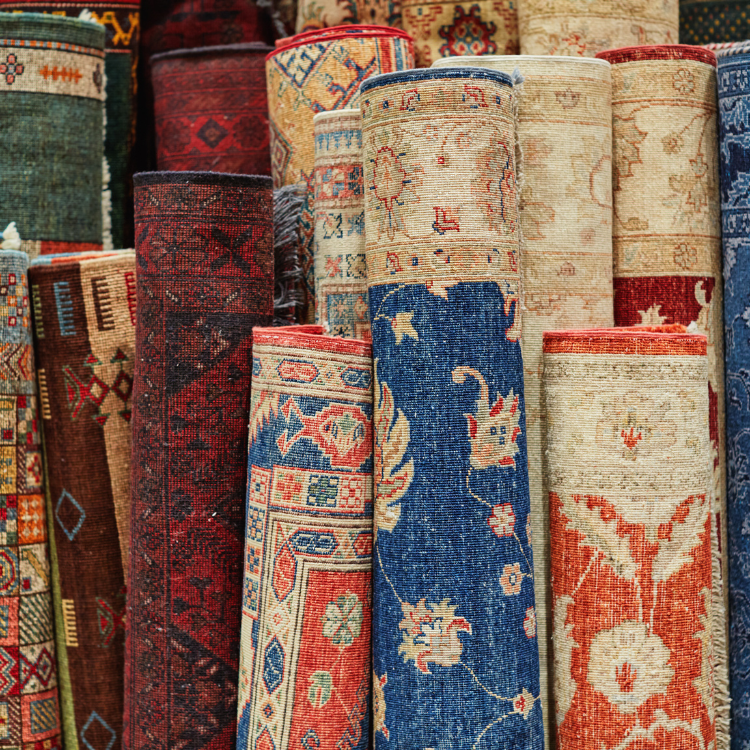
Carpets are more than just beautiful floor coverings — they are expressions of culture, history, and artistry. Nepal, Turkey, and India each have rich carpet-making traditions, but their carpets differ in materials, designs, and techniques. Understanding these differences can help you appreciate their unique beauty and choose the right carpet for your home.
1. Nepalese Carpets
Nepalese carpets are known for their woolen texture, warmth, and durability. Traditionally handwoven by skilled artisans, these carpets often feature simple yet elegant geometric and floral patterns inspired by local culture and nature.
-
Materials: Mainly high-quality wool.
-
Designs: Combination of traditional motifs and modern aesthetics.
-
Texture: Soft but dense, ideal for cold climates.
-
Colors: Natural earth tones with occasional bright accents.
Nepalese carpets are perfect for those who want a cozy, natural look with a connection to Himalayan craftsmanship.
2. Turkish Carpets
Turkish carpets, also called Anatolian rugs, are famous worldwide for their rich colors, bold patterns, and symbolic designs. They are hand-knotted with exceptional skill, often using wool or a wool-silk blend.
-
Materials: Wool, sometimes combined with silk for luxury pieces.
-
Designs: Complex geometric and floral patterns with symbolic meanings, such as stars, medallions, and talismans.
-
Texture: Generally thick and durable with a slightly rougher feel.
-
Colors: Deep reds, blues, and earth tones dominate the palette.
Turkish carpets carry centuries of tradition and are often considered heirloom pieces.
3. Indian Carpets
Indian carpets are known for their intricate craftsmanship and artistic detail. Regions like Kashmir produce some of the finest silk carpets, featuring delicate floral patterns and vibrant colors. Indian carpets often combine influences from Persian, Mughal, and local styles.
-
Materials: Silk, wool, and cotton.
-
Designs: Detailed floral motifs, paisleys, and medallions with fine outlines.
-
Texture: Smooth and luxurious, especially silk carpets.
-
Colors: Bright and varied, including rich reds, golds, blues, and greens.
Indian carpets are ideal for those who appreciate fine artistry and luxury in their décor.
Final Thoughts
Each carpet type — Nepalese, Turkish, and Indian — offers something special, reflecting its region’s culture and craft traditions. Whether you prefer the cozy warmth of Nepalese rugs, the bold heritage of Turkish carpets, or the delicate artistry of Indian silk pieces, Suraj Carpet Industries provides authentic options crafted with passion and quality.